· GEMA Engineering Team · Facility Management · 2 min read
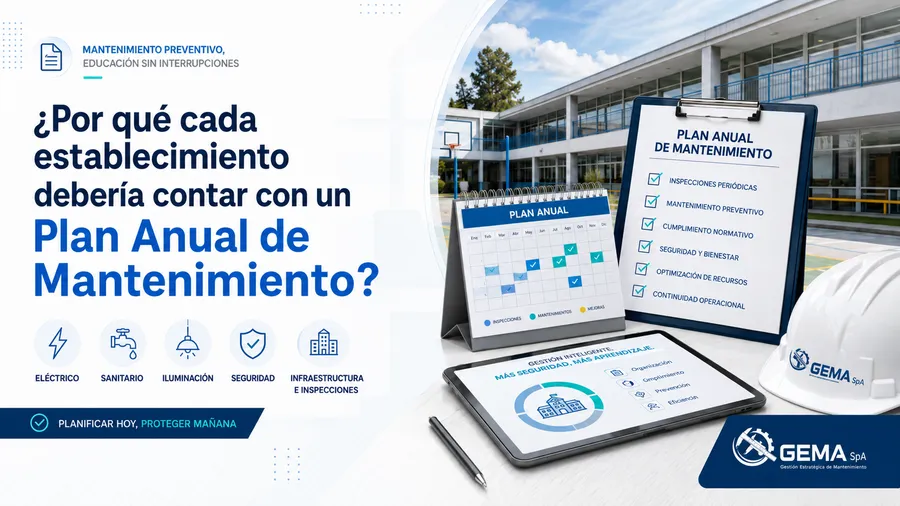
Why Every School Needs an Annual Maintenance Plan
A repair list isn't a plan. Learn how a real Annual Maintenance Plan prioritizes risk, budget, and accountability.
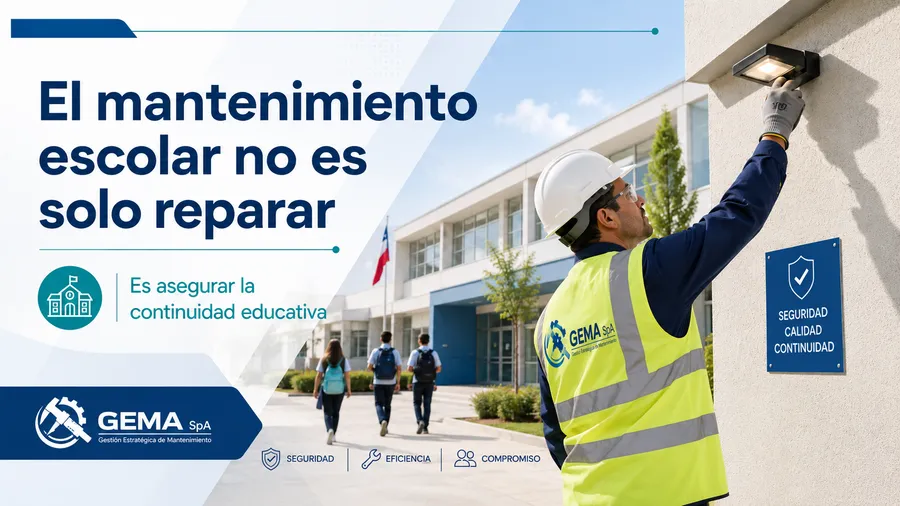
School facility management is a complex job, ranging from fixing minor door latches to maintaining large industrial boilers, backup generators, and plumbing infrastructure. However, many schools and academies operate under a purely reactive “run-to-failure” model.
To escape this cycle of constant fire-fighting, the most important tool is a formal Annual Maintenance Plan (AMP). Here is why this technical document is crucial to the operational safety and financial health of any educational institution.
1. Prioritizing Risk Over Urgency
Not all facility issues are equal. An Annual Plan allows you to categorize assets according to how critical they are to daily school operations. For example, a failing entrance gate or a broken boiler in mid-winter poses a massive risk to class continuity. Conversely, painting a staff lounge is low-priority.
A robust AMP categorizes maintenance tasks into:
- Critical Maintenance: Fire suppression systems, drinking water safety, and main electrical infrastructure.
- Proactive Maintenance: Routine roof inspections, thermal imaging checks, and HVAC filter changes.
- Cosmetic Upkeep: Wall painting, aesthetic gardening, and signage updates.
2. Budget Control and Eliminating Cost Surprises
Reactive maintenance is expensive. Emergency repairs often cost up to 40% more than routine visits due to expedited parts delivery, last-minute technician dispatch, and after-hours callout fees.
The AMP allows business managers to project maintenance costs with precision, spreading major service investments over the 12 months of the academic year. This stabilizes cash flow and enables the school to source contractors and parts in advance to secure the best rates.
3. Disruption-Free Scheduling
A key advantage of annual planning is scheduling major technical works around the academic calendar. Loud, invasive, or dangerous repairs (such as structural masonry works or electrical panel upgrades) are scheduled during summer breaks, winter recesses, and long holiday weekends. The student body returns to a safe, fully operational campus without losing a single hour of learning.
Conclusion: Shifting from Reactive to Strategic
An Annual Maintenance Plan is more than a control spreadsheet; it is the blueprint for facility peace of mind. By formalizing an AMP, school boards protect their real estate value, guarantee safety compliance, and ensure their community stays safe and productive.
Need an Infrastructure Assessment?
Get a professional evaluation to optimize your facilities, ensure safety compliance, and plan preventive maintenance.
Request a school infrastructure assessment